
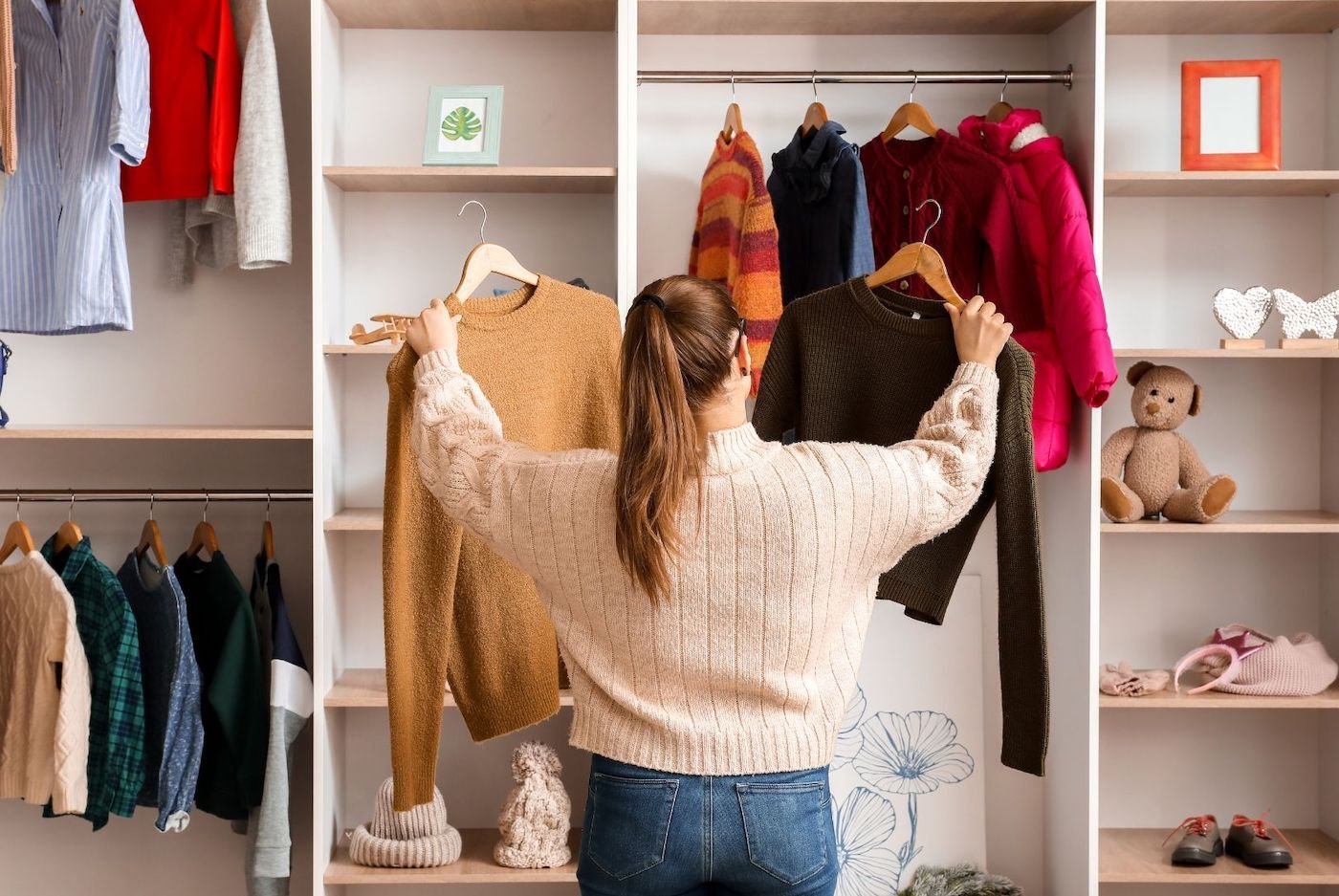
Style Is Personal, Not Prescribed
Let’s get this straight—personal style isn’t something you stumble upon by copying Pinterest boards or imitating influencers head-to-toe. It’s not about trends, and it sure as hell isn’t about rules. It’s about you—your vibe, your life, your story. I remember working with a fashion consulting client named Layla. She was a creative director, always dressed in black because she thought it made her look “put-together.” But deep down, she loved rich textures and earthy tones. We rebuilt her wardrobe around terracotta, velvet, and handwoven pieces that felt more her. She lit up. That’s the power of style alignment.
So, let’s ditch the templates and build something real.
Step 1: Start with the Story (Yours)
Ask Yourself These Core Questions:
- What colors do you instinctively reach for?
- Who are your style icons—and why?
- How do you want to feel when you walk into a room?
These are cues, not commands. Fashion consulting starts here—not in your closet, but in your character. A great wardrobe is a visual autobiography.
Step 2: Build Your Color DNA
Discover Your Color Palette (Without a PhD in Color Theory)
Colors affect how we feel, but more importantly, how we’re seen. You don’t need to follow seasonal analysis rigidly (Summer, Autumn, etc.), but do consider undertones and contrast.
Try this:
- Stand in front of a mirror in daylight.
- Drape a warm color (like mustard or rust) and a cool color (like lilac or navy) around your shoulders.
- Which makes your skin glow? Which makes you look tired?
Fashion consulting tip: Clients often find 3 core color families that work—one for power (interviews, events), one for comfort (everyday wear), and one for play (vacations, weekends).
Real-Life Example:
One client, Samira, looked radiant in jewel tones but washed out in muted pastels. We focused on emerald, ruby, and sapphire for her “power colors,” and it elevated her confidence overnight.
Step 3: Understand Your Silhouette Sweet Spot
Learn Your Lines
Every body has natural lines—curves, angles, symmetry. Don’t fight them—frame them.
Key Questions:
- Do you feel best in structured or draped pieces?
- Do you prefer to highlight your waist, shoulders, or legs?
- Where do you want movement, and where do you want definition?
This isn’t about hiding or fixing—it’s about enhancing. A rectangle-shaped body might crave shape with belting and layering. A pear shape might love statement shoulders to balance out proportions.
Fashion Consulting Insight:
We once re-styled a teacher named Ava who always wore boxy tunics. Once we swapped them for wrap dresses and ankle-length skirts that highlighted her waist and elongation, she told me her students started complimenting her—daily.
Step 4: Fabric Is Your Secret Weapon
Touch Is as Important as Sight
You wear fabric—it moves with you, breathes with you, speaks for you. The way linen creases, the way silk floats, the way denim sculpts—each one tells a different story.
Tip:
- Soft fabrics (like cashmere, modal, silk) create a relaxed, elegant tone.
- Crisp fabrics (like poplin, taffeta, wool) communicate structure and formality.
Exercise:
Next time you shop, focus solely on touch. Close your eyes. Run your hand down a rack. What textures do you gravitate toward? That’s telling.
Quick Fix:
Love structure but hate stiffness? Ponte knit and double crepe are your new best friends.
Step 5: Create a Personal Style Formula
This isn’t a uniform—it’s a framework. A formula you can tweak daily.
Here’s one client formula I built:
“High-waisted tailored trousers + silk blouse + statement earrings + vintage loafers.”
Another client had:
“Monochrome layers + minimalist accessories + one ‘weird’ piece (think: asymmetrical shoes).”
Your formula can evolve, but it helps reduce decision fatigue and keeps your style consistent.
Bonus: Style Journaling
Try documenting what you wear for 10 days. Jot down:
- What you wore
- How you felt
- What compliments you received (if any)
- What didn’t feel right
Patterns emerge fast. This technique is a cornerstone of modern fashion consulting—it brings data into the intuitive.
Final Thoughts: Don’t Chase, Curate
Style isn’t something you chase. It’s something you curate, over time, with intention. Don’t rush the process. The best wardrobes evolve like a great playlist—one piece at a time.
And if you ever get stuck, fashion consulting exists to support your exploration, not dictate it. Sometimes, a second pair of eyes can show you what you’ve been overlooking all along.
💬 Let’s Talk
What’s your current style formula? Have you discovered a color that feels like “home”? Drop it in the comments or share your own wardrobe breakthrough moment!