
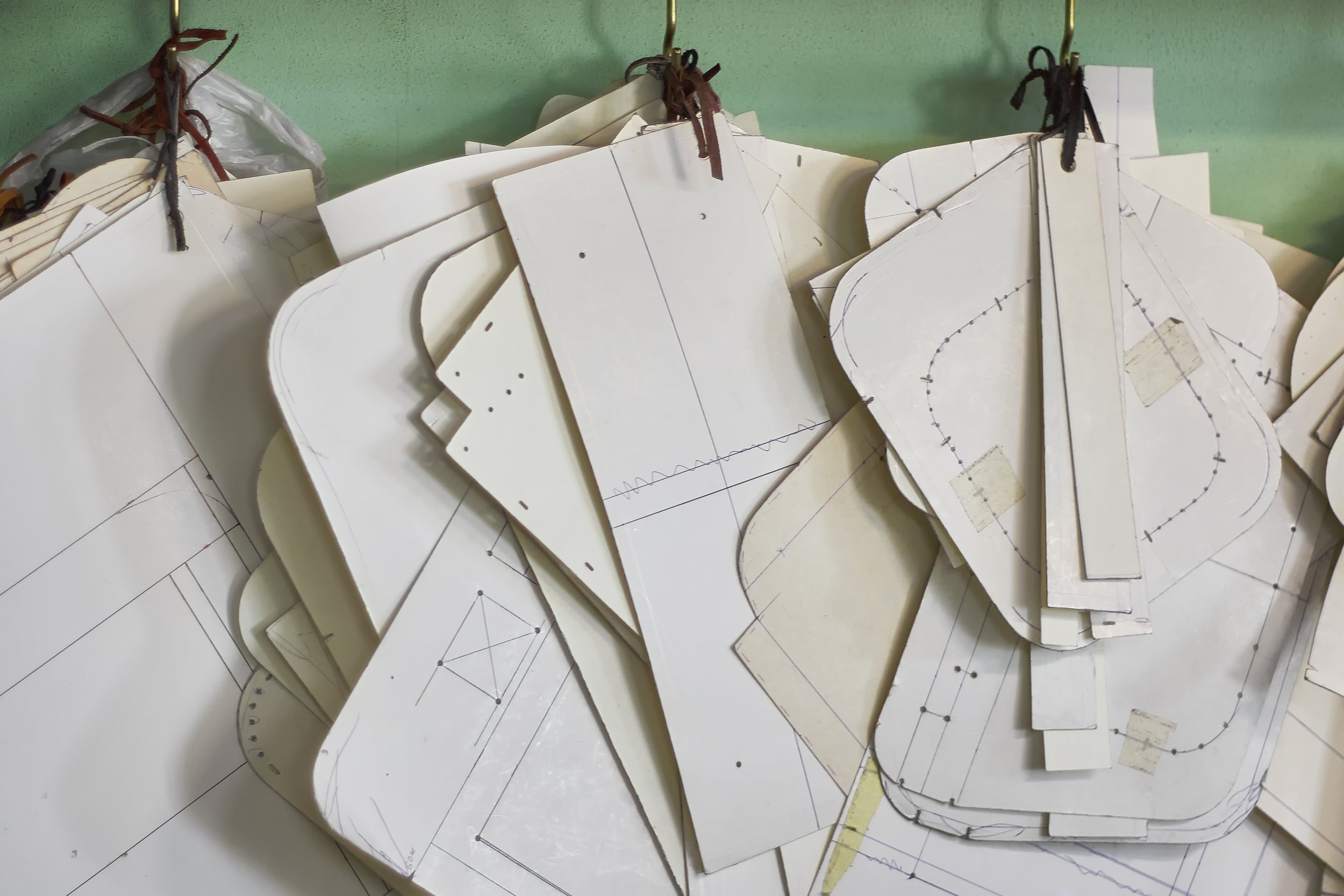
The Pattern Making Pitfalls No One Talks About (And How to Dodge Them Like a Pro)
You know that feeling when you’ve spent hours sketching your dream silhouette, only to drape the final fabric and realize… something’s off?
Yeah, we’ve been there.
Pattern making is the blueprint of fashion—equal parts architecture and alchemy. But even seasoned designers find themselves tangled in darts, misaligned notches, and curves that just won’t behave. And here’s the truth: mistakes in pattern making aren’t signs of failure. They’re part of the process. The key? Knowing how to spot them early—and correct course before your vision gets lost in translation.
Let’s break down the most common (but rarely talked about) pattern making mistakes, plus expert troubleshooting tips to save your sanity and your seams.
1. The Frankenstein Fit: When Seamlines Don’t Sync
The Mistake:
You sew your bodice to the skirt and boom—one piece is mysteriously longer. Or the sleeve cap doesn’t ease into the armhole. You swear the measurements matched… didn’t they?
Why It Happens:
It usually comes down to inconsistent seam allowances or misaligned grainlines. Pattern making isn’t just about shape—it’s also about precision. One-eighth of an inch may seem trivial until you’re sewing a curve.
How to Avoid It:
Always double-check seam allowances—make them consistent, especially across joining pattern pieces. Use notches as your navigation tools, not just decoration. And before you commit, walk your pattern pieces together (paper to paper!) to ensure alignment.
Troubleshooting Tip:
If you’re mid-project and a seam isn’t fitting, don’t force it. Pin instead of stitch and test the ease. You might just need to redistribute a dart or blend a smoother curve.
2. Dart Dilemmas: When Bust Darts Point to Nowhere
The Mistake:
You’ve drafted a gorgeous dart to shape the bust, but it lands somewhere near the armpit or makes the model look like a cardboard cutout. Not the goal.
Why It Happens:
Incorrect apex placement or dart angle. Remember, the dart needs to end before the bust point, not at it. Otherwise, you’re entering Madonna-in-the-‘90s territory (and not in a good way).
How to Avoid It:
Mark the apex clearly and stop the dart about 1–1.5 inches short of it. Use a soft curve instead of a hard angle to mimic the body’s natural contours.
Troubleshooting Tip:
If the dart has already been sewn and looks aggressive, press it open rather than to the side. You can even convert it into a dart tuck or seam panel if it’s salvageable—turning a mistake into a design feature is peak fashion wizardry.
3. Grainline Gone Wild: When Fabric Has a Mind of Its Own
The Mistake:
You cut your garment, sew it up, and… it twists. It clings. It puckers. Basically, it’s wearing you, not the other way around.
Why It Happens:
Grainline. Ignored, misunderstood, or guessed. In pattern making, grainlines are non-negotiable—they control drape, structure, and how the garment hugs (or chokes) the body.
How to Avoid It:
Take your time when marking grainlines—especially on curved pieces like sleeves and collars. Place your patterns with the grain in mind, not just fabric efficiency. That tempting diagonal cut to save fabric can cost you far more later.
Troubleshooting Tip:
If the garment’s already warped, try steam pressing with a tailors’ ham or re-cutting the problem piece. And keep it as a test case. Every failed pattern is a textbook for the next design.
4. Overfitting Obsession: When Perfection Kills Wearability
The Mistake:
You tweak, you pinch, you dart everything to death—and end up with a garment that fits like a wetsuit. Spoiler: no one wants to wear it.
Why It Happens:
It’s easy to overfit during the toile (muslin) stage, especially on mannequins that don’t move, breathe, or eat tacos. What looks flawless standing still might be a nightmare in motion.
How to Avoid It:
Fit on real bodies. Ask your fit model to move, sit, reach. Add a bit of ease. Fashion is function too—don’t let aesthetics choke out comfort.
Troubleshooting Tip:
Add hidden movement panels or use stretch fabrics wisely. Pattern making is part geometry, part empathy—your design should move with the person wearing it.
5. Copy/Paste Chaos: Relying on Templates Without Tweaking
The Mistake:
You use a base block or download a digital pattern, slap on your design, and expect magic. But the final garment tells a different story.
Why It Happens:
No two bodies—or designs—are the same. A pattern block is just the beginning, not a shortcut.
How to Avoid It:
Customize your blocks. Adjust for the fabric type, the wearer’s shape, the design details. A raglan sleeve for a silk blouse needs different shaping than for a denim jacket.
Troubleshooting Tip:
Keep a “working pattern” and a “clean pattern.” Mark every adjustment on the working one. Your future self will thank you.
Expert Insight: From the Studio to the Showroom
“Pattern making is choreography,” says Lara Montrose, a senior pattern cutter for London Fashion Week designers. “Every piece has to dance with the others. If one partner steps out of rhythm, the whole thing collapses.”
She recommends keeping a “fit diary”—a notebook where you log every adjustment, frustration, and success. “You start to see patterns in your patterns,” she says. “That’s how you grow.”
Final Threads: Perfection Is a Moving Target
Let’s be real—there’s no such thing as a flawless pattern on the first go. And that’s kind of the point. Pattern making is iterative, intuitive, and incredibly personal. It’s where engineering meets art. Don’t fear the missteps—they’re just stitches in your story.
So next time your design misbehaves, take a breath, grab your tracing paper, and remember: mistakes are just patterns you haven’t perfected yet.