
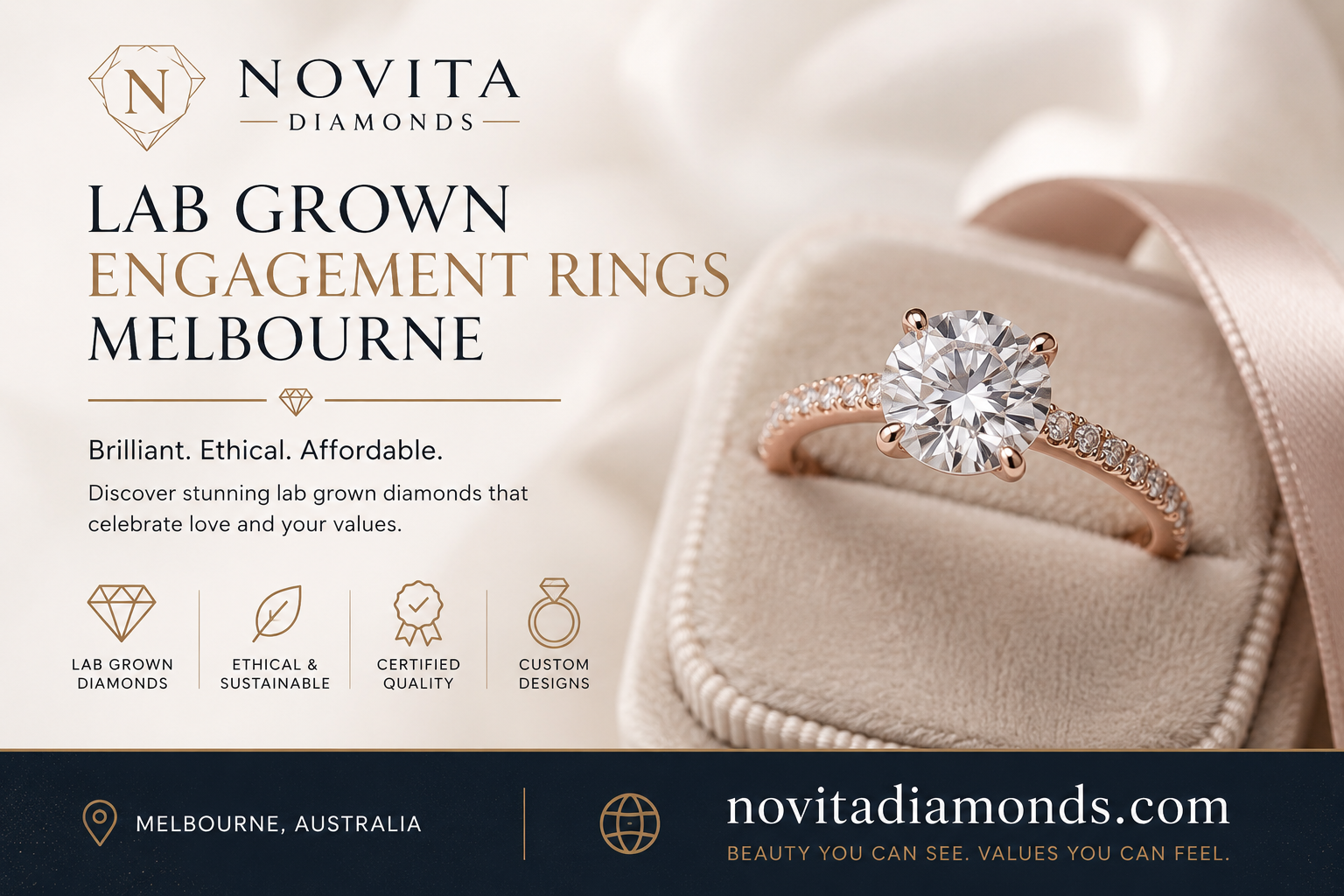
Why More Buyers Choose Lab Created Diamonds
Buying a diamond ring is not only about appearance. You also think about cost durability design and long term value. This is why many people now compare natural stones with lab created diamonds before making a final decision. A lab created diamond has the same physical and chemical structure as a mined diamond.
It is not fake. It is not cubic zirconia. It is a real diamond produced in a controlled environment using advanced technology.
For many buyers this option solves a simple problem. You get the look and strength of a diamond without paying the higher price often linked to mining and traditional supply chains. In cities like Melbourne buyers are also paying closer attention to design flexibility and sourcing transparency. This has pushed more jewellers to offer modern ring collections built around lab grown stones.
What Makes a Lab Created Diamond Different
The biggest difference is origin. Natural diamonds form underground over billions of years. Lab diamonds are produced in a facility that recreates the same pressure and temperature conditions. Once completed both stones are graded using the same standards. These include:
- Cut
- Colour
- Clarity
- Carat weight
Even trained professionals usually need special equipment to identify the origin of the stone. This matters because many first time buyers assume a lab diamond looks weaker or less brilliant. That assumption is incorrect. In daily wear the performance is nearly identical. Example: A one carat round lab diamond ring can visually match a mined diamond of the same grade while costing significantly less.
Why Buyers in Melbourne Are Paying Attention
The jewellery market in Melbourne has changed over the last few years. Buyers now research products before visiting a showroom. They compare certification pricing and design quality online before speaking to a jeweller. This shift has increased interest in lab grown engagement rings Melbourne shoppers can customise around their own budget and style preferences. You are no longer limited to standard designs sitting in a display cabinet. Many jewellers now allow you to:
- Select the exact stone shape
- Choose your preferred setting
- Pick white yellow or rose gold
- Adjust carat size based on budget
- Create custom ring designs
This flexibility appeals to buyers who want a personal result without stretching finances.
How Pricing Changes the Buying Decision
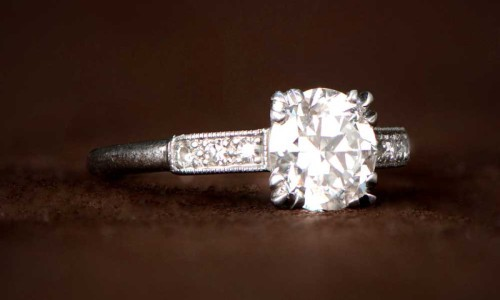
Price is often the first reason people start researching alternatives. A lab created stone usually costs less than a mined diamond with similar grading. The difference can be substantial depending on size and quality. That changes what you can afford. Instead of compromising on clarity or carat weight you may be able to choose a better quality stone while staying within budget. For example: You may afford a larger oval cut diamond with higher clarity rather than settling for a smaller lower grade mined option. This pricing difference also affects ring design choices. Some buyers use the savings for a more detailed setting or higher quality metal. The key point is simple. Budget flexibility gives you more control over the final ring.
What to Check Before You Buy
Not all diamonds are equal even when they are lab created. You still need to examine grading reports and overall craftsmanship carefully. Before buying check these areas closely:
- Certification from recognised grading labs
- Cut quality and light performance
- Visible inclusions
- Ring setting durability
- Return and warranty policies
Certification matters because it confirms the grading details are independently verified. Popular grading labs include IGI and GIA. Do not rely only on product photos. Request videos or inspect the ring in person if possible.
Choosing the Right Diamond Shape
Shape changes the overall appearance of the ring more than most people expect. Round diamonds remain popular because they reflect light well and suit almost every setting. Oval shapes create a longer appearance on the finger. Emerald cuts focus more on clarity and clean lines. Here are common choices and their visual style:
- Round: classic balanced appearance
- Oval: elongated modern look
- Cushion: softer edges with vintage feel
- Emerald: sharp structured design
- Pear: distinctive shape with narrow profile
The right choice depends on personal taste rather than trends. A simple way to narrow options is to try different shapes under natural light. Some cuts appear brighter indoors while others stand out more in daylight.
Ring Settings Matter More Than You Think
The setting controls both appearance and durability. A good setting protects the stone during daily wear while supporting the overall design. Popular settings include solitaire halo and pavé styles. A solitaire setting keeps attention on the centre diamond. Halo designs create extra visual size by surrounding the centre stone with smaller diamonds. Pavé bands add more sparkle across the ring surface. Metal choice also affects the final appearance. White gold creates a cleaner modern look. Yellow gold adds warmth. Rose gold gives a softer tone. If you work with your hands often, durability should guide your decision more than visual trends.
Online vs In Store Buying
Both approaches have advantages. Buying online gives you broader inventory access and easier price comparison. Physical stores let you inspect craftsmanship directly. Many buyers now combine both methods. They research specifications online then visit local jewellers to compare designs and fit. When reviewing rings online pay attention to:
- High resolution videos
- Detailed certification reports
- Clear resizing policies
- Independent customer reviews
A professional jeweller should explain grading details without avoiding technical questions. If pricing seems unusually low compared to similar products, investigate the certification and manufacturing details carefully.
How to Maintain Your Ring
Lab created diamonds are durable enough for everyday wear but maintenance still matters. Dirt oil and cosmetic products reduce sparkle over time. You can clean most rings at home using warm water, mild soap and a soft brush. Avoid harsh chemicals and store the ring separately to reduce scratches on the metal. Professional inspection once or twice a year helps identify loose settings or worn prongs before damage occurs. Daily care is simple but consistent maintenance protects the long term appearance of the ring.
Why Demand Continues to Grow
Consumer priorities are changing. Buyers want transparency, flexibility and stronger value for money. Many also prefer a process that gives them more control over the final design. This is one reason interest in lab grown engagement rings Melbourne jewellers offer continues to increase across different age groups. The market is no longer focused only on tradition. Buyers now compare features carefully and make decisions based on practical outcomes. That shift has changed how engagement rings are designed, marketed and purchased.
Common Questions
Do lab created diamonds last as long as mined diamonds?
Yes. They have the same hardness and structure as natural diamonds which makes them suitable for long term daily wear.
Can you tell the difference between lab and mined diamonds?
Most people cannot identify the difference visually. Special equipment is usually required to confirm origin.
Are lab diamonds certified?
Yes. Many are graded by recognised laboratories such as IGI and GIA using the same standards applied to mined diamonds.